
Overview
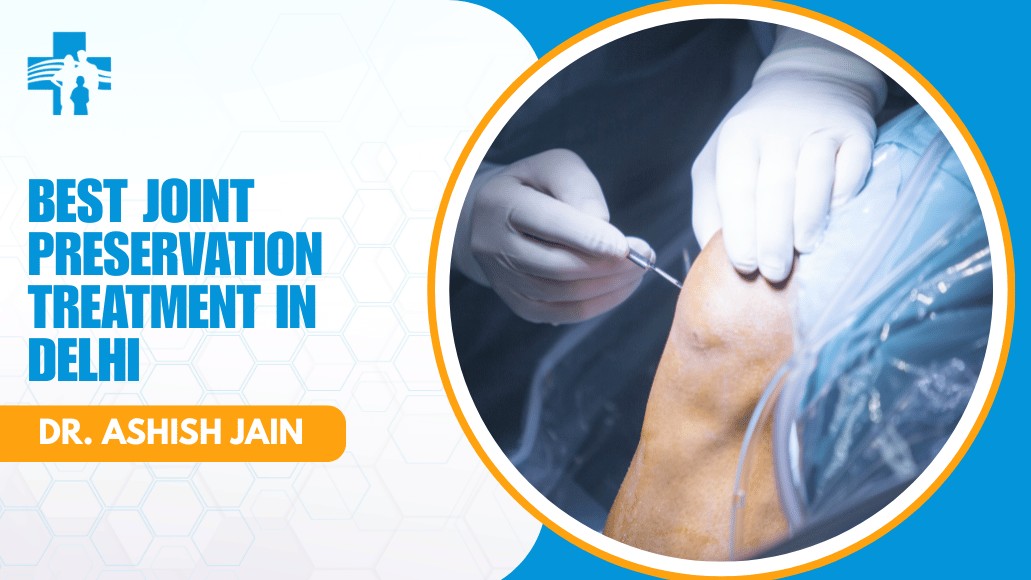
Joint pain, stiffness, and reduced mobility are no longer issues limited to old age. With increasing lifestyle stress, obesity, sports injuries, and early arthritis, many individuals experience knee problems much earlier than expected. Fortunately, joint preservation treatment has emerged as an advanced, patient-centric approach that focuses on saving the natural knee joint and delaying or avoiding joint replacement surgery.
If you are searching for the best joint preservation treatment in Delhi, KneeJointReplacement under the expertise of Dr. Ashish Jain offers evidence-based, personalized solutions designed to restore joint function and maintain long-term mobility.
What is Joint Preservation Treatment?
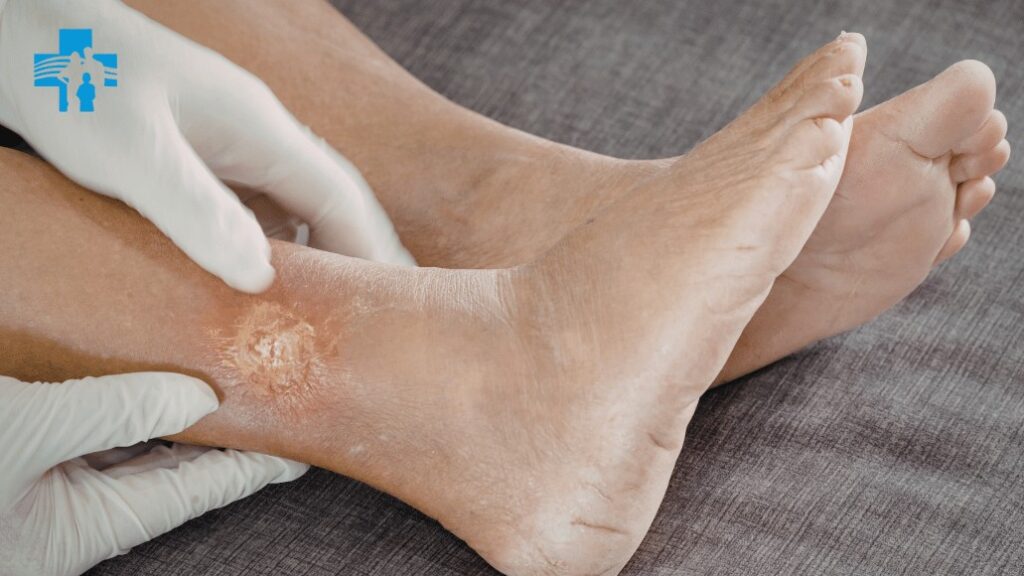
Joint preservation treatment refers to non-replacement orthopaedic interventions that aim to:
- Reduce pain and inflammation
- Restore joint mechanics
- Slow down cartilage degeneration
- Maintain natural joint anatomy
Who Should Consider Joint Preservation Treatment?
Joint preservation is particularly suitable for patients who:
- Have early or moderate osteoarthritis
- Experience persistent knee pain but retain joint space
- Are physically active and want to avoid early surgery
- Have cartilage defects or ligament instability
- Are too young for knee replacement
- Want to delay joint replacement as long as possible
Advanced Joint Preservation Treatments Available in Delhi
At KneeJointReplacement, multiple advanced techniques are used depending on the patient’s condition, age, activity level, and joint health.
1. Biological Injections for Knee Preservation
Biological therapies are designed to stimulate natural healing inside the joint.
- Platelet-Rich Plasma (PRP) therapy
- Growth factor-based injections
- Cartilage-supporting regenerative treatments
These therapies help reduce inflammation, improve lubrication, and slow cartilage degeneration.
2. Cartilage Restoration Procedures
For localized cartilage damage, preservation procedures focus on repairing or regenerating cartilage instead of replacing the joint.
- Microfracture techniques
- Osteochondral grafting
- Cartilage resurfacing procedures
These treatments are highly effective in younger patients and athletes.
3. Alignment Correction (Osteotomy Procedures)
In cases where knee pain is caused by improper weight distribution, alignment correction can significantly reduce stress on damaged areas.
- High Tibial Osteotomy (HTO)
- Realignment procedures to offload arthritic compartments
This is a proven joint preservation technique that delays knee replacement by many years.
4. Meniscus Preservation and Repair
Preserving the meniscus is critical for joint longevity. Advanced arthroscopic techniques allow repair rather than removal.
- Meniscus repair surgeries
- Meniscus root preservation
- Arthroscopic knee stabilization
These procedures help maintain shock absorption and joint stability.
5. Lifestyle-Integrated Joint Preservation Programs
Joint preservation is not limited to procedures alone. A comprehensive program includes:
- Customized physiotherapy
- Weight management strategies
- Activity modification plans
- Muscle strengthening protocols
This integrated approach ensures long-term success.
Why Joint Preservation is Better Than Early Knee Replacement
Choosing joint preservation treatment in Delhi offers multiple long-term advantages:
- Retains natural joint movement
- Faster recovery and minimal downtime
- Lower surgical risk
- Preserves future surgical options
- Cost-effective compared to early replacement
- Improves quality of life without major surgery
Dr. Ashish Jain strongly advocates preserving the natural knee whenever clinically feasible.
Why Choose Dr. Ashish Jain for Joint Preservation in Delhi?
Dr. Ashish Jain is widely trusted for advanced knee care due to his:
- Specialized focus on knee preservation and replacement
- Evidence-based treatment planning
- Expertise in both conservative and surgical knee solutions
- Patient-first, outcome-oriented approach
- Access to advanced orthopaedic infrastructure at KneeJointReplacement
His treatment philosophy emphasizes doing the right procedure at the right time, not rushing patients into replacement surgery.
Diagnostic Precision Before Treatment
Accurate diagnosis is the foundation of effective joint preservation. The evaluation process includes:
- Clinical knee assessment
- Advanced imaging (X-ray, MRI)
- Alignment and gait analysis
- Cartilage health evaluation
- Activity and lifestyle assessment
This ensures that every treatment plan is customized and medically justified.
Recovery and Results After Joint Preservation Treatment
Most joint preservation treatments involve:
- Minimal hospital stay or day-care procedures
- Faster rehabilitation compared to replacement
- Gradual improvement in pain and function
- Long-term joint protection when combined with physiotherapy
Patients often return to daily activities within weeks, depending on the procedure.
Joint Preservation vs Knee Replacement: Making the Right Choice
Joint preservation is ideal when:
- Joint structure is still salvageable
- Pain is manageable with advanced interventions
- Patient wants to stay active long-term
Knee replacement is considered only when joint damage becomes irreversible. At KneeJointReplacement, the focus is always on preservation first, replacement only when necessary.
Conclusion
Joint preservation treatment represents the future of knee care. If you are experiencing knee pain but want to avoid or delay surgery, joint preservation treatment in Delhi offers safe, effective, and scientifically proven solutions. Under the expert guidance of Dr. Ashish Jain, KneeJointReplacement provides comprehensive knee preservation programs that restore function, relieve pain, and protect your natural joint for years to come.
FAQs
1. What is the success rate of joint preservation treatment?
Ans. Success rates are high when patients are selected correctly, especially in early and moderate arthritis cases.
2. Can joint preservation completely avoid knee replacement?
Ans. In many cases, it can delay knee replacement by several years and significantly improve quality of life.
3. Is joint preservation treatment painful?
Ans. Most procedures are minimally invasive and associated with significantly less pain than joint replacement surgery.
4. How long does recovery take after joint preservation treatment?
Ans. Recovery varies by procedure but is generally much faster than knee replacement, ranging from a few weeks to a few months.
5. Who is the best doctor for joint preservation treatment in Delhi?
Ans. Dr. Ashish Jain at KneeJointReplacement is widely recognized for advanced joint preservation and knee care in Delhi.