
Overview
Most people manage knee pain at home for far longer than they should. Rest, painkillers, and heat pads become a routine, and the idea of seeing a specialist feels like it’s being saved for when things get really bad. The problem is that what feels like manageable pain often conceals progressive joint damage that becomes significantly harder to treat the longer it’s left. Knowing when it’s actually time to see a specialist is more important than most patients realise. Before that window closes further, consulting a knee pain specialist in Delhi who can assess what’s actually happening inside the joint is the more useful next step.
Among the trusted names in this space, Dr. Ashish Jain at KneeJointReplacement has built his practice around exactly this kind of early, diagnostic-led consultation, helping patients understand their knee’s condition before it reaches the point where surgical options are the only ones left.
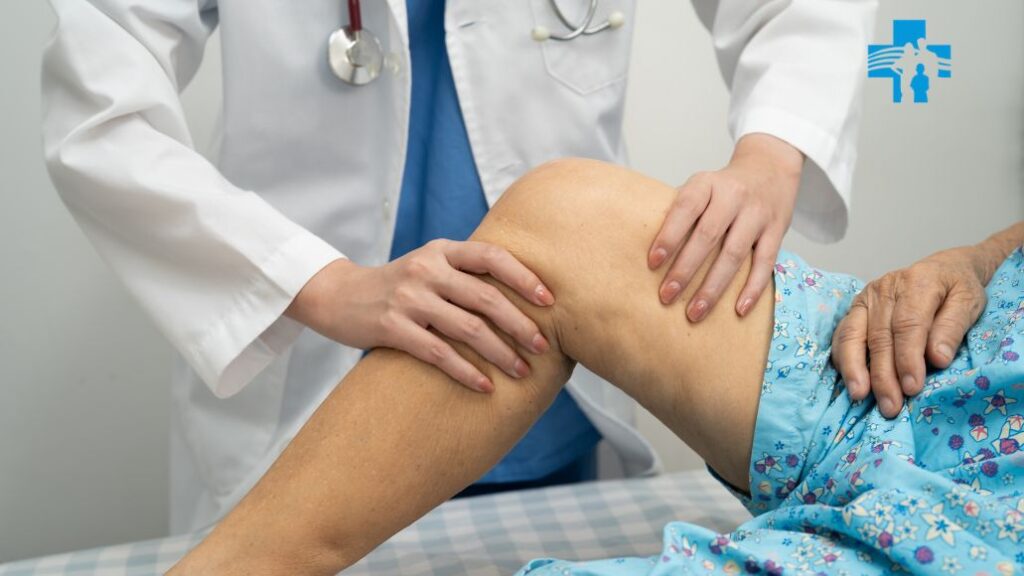
What Does a Knee Pain Specialist Do?
Core responsibilities include:
• Identifying the underlying cause of knee pain through imaging and assessment
• Distinguishing between muscular, cartilage, ligament, and bone-related causes
• Recommending non-surgical management wherever genuinely appropriate
• Explaining what the imaging actually shows in plain, understandable terms
• Building a treatment plan matched to the specific cause and the patient’s lifestyle
A knee pain specialist who explains your imaging and gives you both surgical and non-surgical options is doing their job properly. One who only recommends surgery is worth questioning.
Meet Dr. Ashish Jain – Trusted Name in Knee Pain Treatment
Patients searching for a knee pain specialist in Delhi want a doctor who diagnoses first and recommends second. That sequence is central to how Dr. Ashish Jain approaches every consultation.
Professional Highlights:
• 18+ years of dedicated experience in knee and joint replacement surgery
• A diagnostic-first approach to every new knee pain presentation
• Fellowship training across multiple international centres of excellence
• Known for imaging-based, patient-specific explanations at every visit
• Senior Consultant at Max Super Speciality Hospital, Shalimar Bagh
Surgical outcomes and patient stories are shared on Instagram and YouTube.
Sign 1: Pain That Disrupts Your Sleep
Knee pain that wakes you at night or prevents you from finding a comfortable sleeping position is not something rest will fix. Night pain specifically points to inflammation or joint damage that has progressed beyond what daily management can address, and it warrants an imaging assessment rather than another round of painkillers.
Sign 2: Swelling That Returns After a Few Days
Knee swelling that keeps coming back after activity is a consistent warning sign:
• It usually indicates fluid buildup from an inflamed joint lining
• It can signal a meniscal tear, ligament damage, or early to moderate arthritis
• Returning swelling means the underlying cause hasn’t resolved with rest
• Ignoring it allows whatever is causing it to progress further
Sign 3: The Knee Locks, Gives Way, or Feels Unstable
A knee that locks in position, gives way unexpectedly during walking, or feels like it might buckle is a mechanical problem that imaging needs to confirm. These symptoms typically point to a meniscal tear, ligament instability, or loose body within the joint, none of which resolve without proper diagnosis. More context on what these symptoms can mean is covered on the clinic’s knee joint replacement page.
Sign 4: Pain After Sitting for More Than 30 Minutes
Stiffness and aching that appears after prolonged sitting and takes time to ease with movement is a classic early sign of cartilage damage:
• It reflects cartilage that has lost its ability to absorb and redistribute load properly
• Early cartilage damage is far more manageable than advanced damage
• Catching it at this stage opens up non-surgical options that may not be available later
• A specialist assessment at this point is genuinely worthwhile
Sign 5: Painkillers Are No Longer Providing Relief
When the dose and frequency of pain relief medication have steadily increased without a corresponding improvement in function, the pain is coming from structural damage rather than temporary inflammation. At this point, medication is managing a symptom rather than addressing a cause, and a specialist assessment is what the situation actually calls for.
Why Choose Dr. Ashish Jain as Your Knee Pain Specialist in Delhi?
Key advantages:
• A diagnostic-first, imaging-led approach to every knee pain presentation
• Both surgical and non-surgical options presented at every consultation
• Senior Consultant availability at Max Super Speciality Hospital, Shalimar Bagh
• A conservative-first philosophy that doesn’t rush toward surgery
• Direct imaging opinion available before a formal consultation
A specialist who sees the full picture of your knee’s condition before recommending anything is the one actually worth seeing.
When to Book a Consultation Without Waiting
Book urgently if you also experience:
• Sudden severe swelling following a specific injury
• The knee locked in a position you cannot move it out of
• Complete inability to bear weight after a fall or twist
• Visible deformity of the knee joint
• Pain accompanied by fever or warmth suggesting possible infection
Dr. Ashish Jain evaluates urgent presentations alongside standard consultations and can provide an initial opinion on imaging via WhatsApp before a formal visit.
Step-by-Step Knee Pain Assessment Journey
1. Initial Consultation
Symptom history, duration, and prior treatment attempts are reviewed in detail.
2. Imaging
X-rays and MRI confirm what’s actually happening inside the joint.
3. Diagnosis
The specific cause of pain- cartilage, ligament, meniscal, or bone-related- is identified.
4. Treatment Plan
Both surgical and non-surgical options are presented based on the diagnosis.
5. Ongoing Monitoring
Progress is tracked to confirm the treatment is working and adjusted if needed.
Benefits of Seeing a Specialist Early
✔ Non-surgical options that may not be available if damage progresses further ✔ A clear, imaging-based diagnosis rather than ongoing guesswork ✔ Both options presented honestly before any recommendation is made ✔ Reduced risk of joint damage becoming severe enough to require surgery ✔ A treatment plan matched to the specific cause rather than generic pain management
Patients who see a specialist while non-surgical options are still available consistently have better long-term outcomes than those who wait.
Recovery and Ongoing Care: The Key to Success
What ongoing knee care typically includes:
• Physiotherapy matched to the specific cause of pain
• Activity modification guidance to protect the joint during treatment
• Regular follow-up to monitor how the knee is responding
• Clear communication about when surgical intervention becomes appropriate
• Lifestyle and weight management guidance where relevant
Most patients who are seen early enough for their knee pain still have multiple non-surgical options available to them.
Why Delhi Patients Choose Dr. Ashish Jain for Knee Pain
• A diagnostic-first, imaging-led consultation approach
• Both surgical and non-surgical options explained at every visit
• Senior Consultant availability at Max Super Speciality Hospital, Shalimar Bagh
• A practice built around early, accurate diagnosis rather than surgery-first recommendations
• Direct access via WhatsApp for imaging opinions before a formal visit
This approach is exactly why patients across North Delhi and Delhi NCR continue choosing Dr. Ashish Jain as their knee pain specialist.
Conclusion
These five signs are the most reliable indicators that managing knee pain at home has reached its limit and a specialist assessment is what the situation actually needs. Dr. Ashish Jain at KneeJointReplacement approaches every new knee pain presentation with an imaging-led diagnosis before recommending anything.
His conservative-first philosophy means that patients who still have non-surgical options available are told so clearly, rather than being steered toward surgery before its time.
For a direct imaging opinion before your visit, contact the clinic at DrAshishJRobotics@gmail.com or call +91 97170 35556.
Take the first step toward a proper knee diagnosis and book a consultation here.
Frequently Asked Questions
Who is the best knee pain specialist doctor in Delhi?
Dr. Ashish Jain at KneeJointReplacement is known for his diagnostic-first, imaging-led approach to knee pain. Follow updates on Instagram.
When should I stop managing knee pain at home and see a specialist?
When pain disrupts sleep, swelling keeps returning, the knee feels unstable, or painkillers are no longer providing adequate relief — any of these five signs warrant a specialist visit.
Will seeing a specialist automatically lead to surgery being recommended?
Not with Dr. Ashish Jain. A conservative-first approach means both surgical and non-surgical options are presented before any recommendation is made.
Can I send my existing X-rays for an initial opinion?
Yes, imaging can be shared for an initial opinion via WhatsApp at +91 97170 35556.
Is knee pain always a sign of arthritis?
No. Knee pain has multiple possible causes, including meniscal tears, ligament damage, bursitis, and referred pain — which is exactly why an imaging-based diagnosis matters more than assuming a cause.