Overview
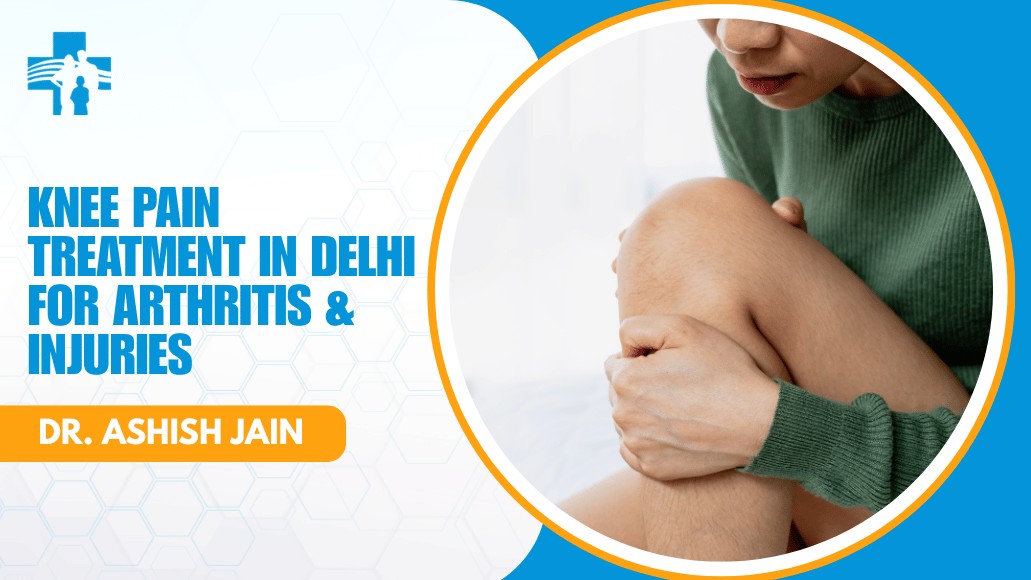
Knee pain is no longer limited to aging individuals—it is increasingly affecting people across all age groups due to sedentary lifestyles, sports injuries, obesity, and degenerative joint conditions. Whether caused by arthritis or sudden injury, untreated knee pain can significantly impact mobility, independence, and overall quality of life.
If you are searching for effective and long-lasting knee pain treatment in Delhi, consulting an experienced orthopaedic specialist like Dr. Ashish Jain at KneeJointReplacement ensures accurate diagnosis and advanced treatment tailored to your condition.
This blog provides a complete guide to understanding knee pain, its causes, treatment options, and why expert care is essential for recovery.
Understanding Knee Pain: Arthritis vs Injuries
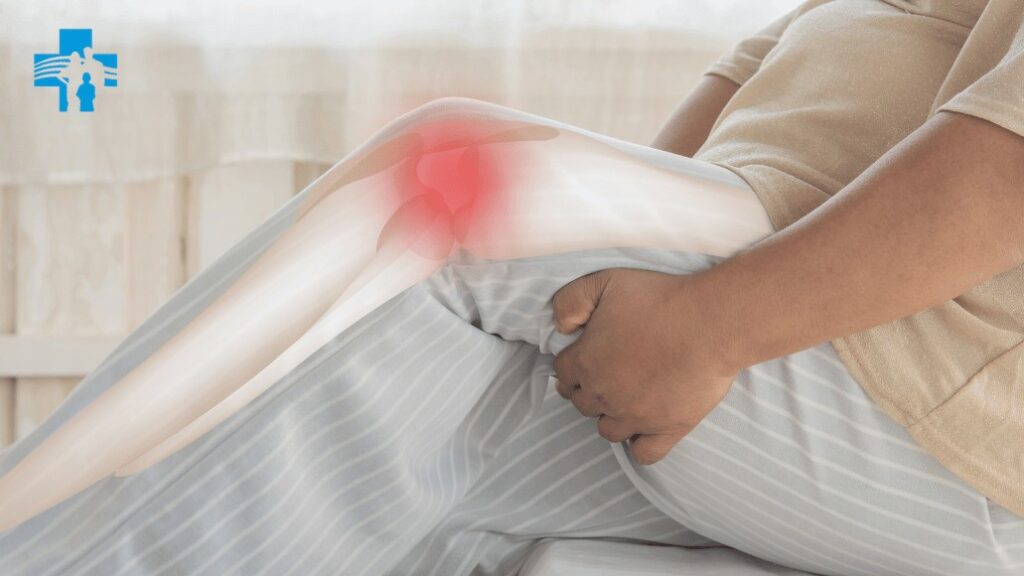
Knee pain broadly falls into two major categories—degenerative conditions like arthritis and acute or chronic injuries.
1. Arthritis-Related Knee Pain
Arthritis is one of the leading causes of knee pain, especially among individuals above 45–50 years of age.
Common types include:
- Osteoarthritis: Caused by gradual wear and tear of joint cartilage
- Rheumatoid Arthritis: An autoimmune condition leading to inflammation
- Post-Traumatic Arthritis: Develops after injury or fracture
Symptoms typically include stiffness, swelling, reduced range of motion, and persistent pain during movement.
2. Knee Injuries
Knee injuries are common in athletes, working professionals, and even daily activities.
These include:
- Ligament injuries (ACL, PCL, MCL tears)
- Meniscus tears
- Tendon injuries
- Fractures or dislocations
Unlike arthritis, injury-related knee pain may occur suddenly and worsen with activity.
Why Timely Knee Pain Treatment in Delhi Is Important
Ignoring knee pain can lead to:
- Progressive joint damage
- Reduced mobility
- Increased stiffness and deformity
- Need for more complex surgical interventions later
Expert Knee Pain Treatment at KneeJointReplacement
At KneeJointReplacement, patients receive a comprehensive, step-by-step approach to knee care under the expertise of Dr. Ashish Jain, who brings over 18 years of experience in orthopaedic and knee joint treatments.
1. Accurate Diagnosis
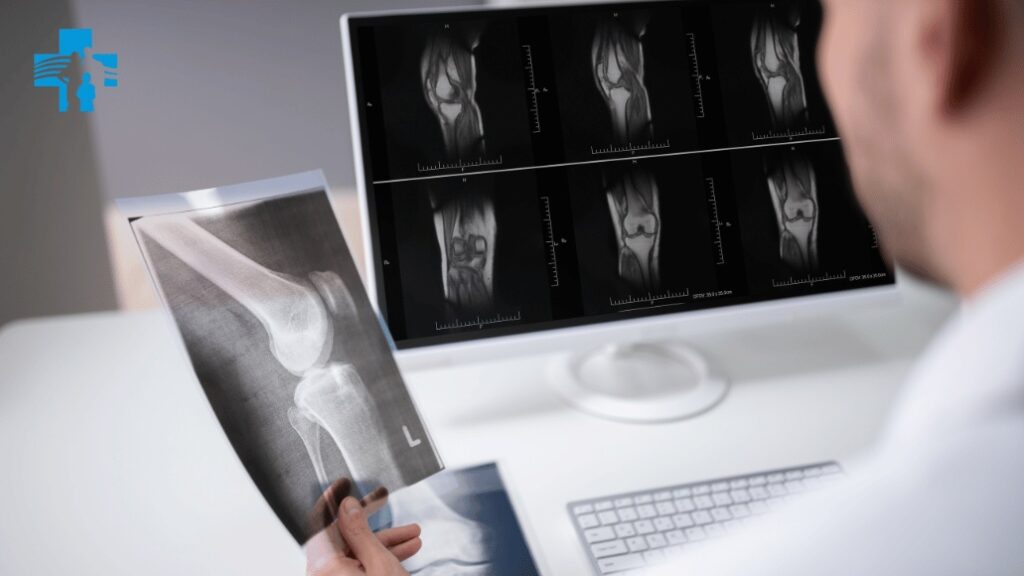
Treatment begins with a detailed evaluation, which may include:
- Physical examination and movement assessment
- Digital X-rays
- MRI scans for soft tissue evaluation
- Blood tests (for inflammatory conditions)
This ensures that treatment is not just symptom-based but targeted and effective.
Advanced Knee Pain Treatment Options in Delhi
A. Non-Surgical Treatments (First-Line Approach)
For early-stage arthritis and mild injuries, conservative treatments are highly effective.
Medications
Anti-inflammatory drugs and pain relievers help reduce discomfort.
Physiotherapy
Customized exercise programs strengthen surrounding muscles and improve joint function.
Injections
- Corticosteroid injections reduce inflammation
- Hyaluronic acid injections improve joint lubrication
Lifestyle Modifications
Weight management, posture correction, and low-impact exercises play a vital role in long-term joint health.
B. Minimally Invasive Procedures
When non-surgical methods fail, minimally invasive procedures are considered.
Arthroscopy
A small camera is inserted into the knee joint to repair damaged ligaments, cartilage, or meniscus.
Benefits:
- Small incisions
- Faster recovery
- Minimal pain
C. Advanced Surgical Solutions
For severe arthritis or irreversible joint damage, surgical intervention may be required.
Total Knee Replacement (TKR)
The entire knee joint is replaced with a prosthetic implant, providing long-term pain relief.
Partial Knee Replacement
Only the damaged part of the knee is replaced, preserving healthy bone and ligaments.
Robotic Knee Replacement
A modern, precision-based technique offering:
- Better implant alignment
- Reduced tissue damage
- Faster recovery
Why Choose Dr. Ashish Jain for Knee Pain Treatment in Delhi?
Choosing the right doctor is the most important step toward recovery.
Key Advantages:
✔ 18+ years of orthopaedic experience
✔ Expertise in arthritis and injury-related knee conditions
✔ Advanced surgical and robotic techniques
✔ Patient-focused, personalized treatment plans
✔ Strong rehabilitation and follow-up support
✔ Proven success in knee replacement and joint preservation
Recovery and Rehabilitation: What to Expect
Recovery varies depending on the treatment method.
For Non-Surgical Treatments:
- Improvement within a few weeks
- Gradual strengthening with physiotherapy
For Surgical Treatments:
- Walking begins within 24–48 hours
- Daily activities resume in 4–6 weeks
- Full recovery in 2–3 months with guided rehabilitation
A structured physiotherapy program ensures better outcomes and long-term joint stability.
How to Prevent Knee Pain in the Future
Preventive care plays a crucial role in maintaining healthy joints.
Tips for Long-Term Knee Health:
- Maintain a healthy weight
- Stay physically active
- Avoid high-impact activities if at risk
- Strengthen leg muscles regularly
- Use proper posture and body mechanics
Regular check-ups with an orthopaedic specialist can help detect early signs of joint problems.
Conclusion
Knee pain caused by arthritis or injuries can significantly affect your daily life, but the right treatment can restore comfort and mobility. If you are looking for reliable and advanced knee pain treatment in Delhi, consulting Dr. Ashish Jain at KneeJointReplacement ensures expert care at every stage—from diagnosis to recovery.
FAQs
1. What is the best treatment for knee pain in Delhi?
Ans. The best treatment depends on the cause. It may include physiotherapy, medications, injections, or surgery under expert guidance.
2. When should I consult a doctor for knee pain?
Ans. If pain lasts more than a few weeks or affects your daily activities, you should consult a specialist.
3. Can knee arthritis be treated without surgery?
Ans. Yes, early-stage arthritis can often be managed with non-surgical treatments like physiotherapy and medications.
4. Is knee replacement the only solution for severe pain?
Ans. It is recommended only when other treatments fail and joint damage is advanced.
5. How long does recovery take after knee surgery?
Ans. Most patients recover within 4–8 weeks for daily activities, with full recovery in a few months.