
Overview
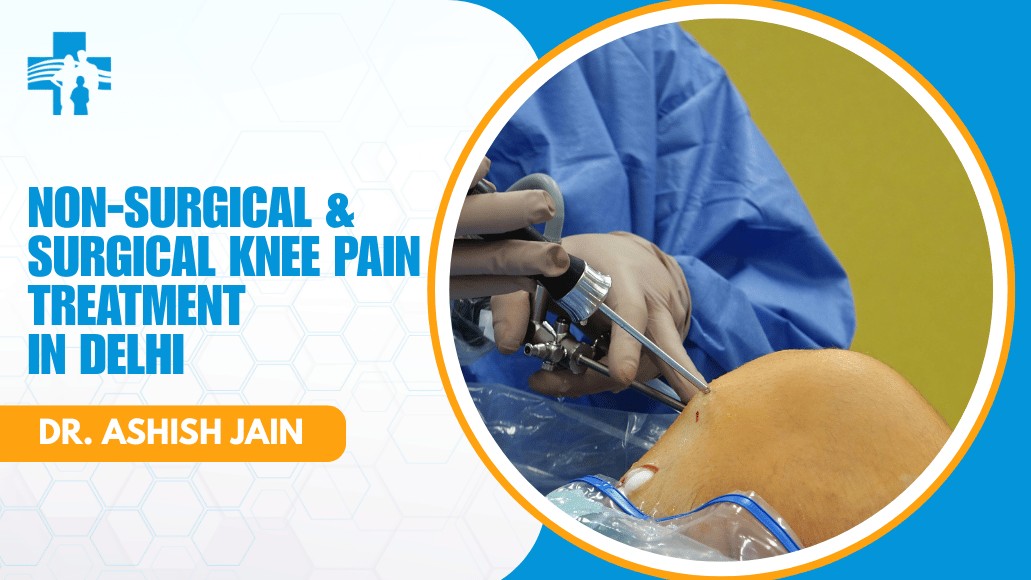
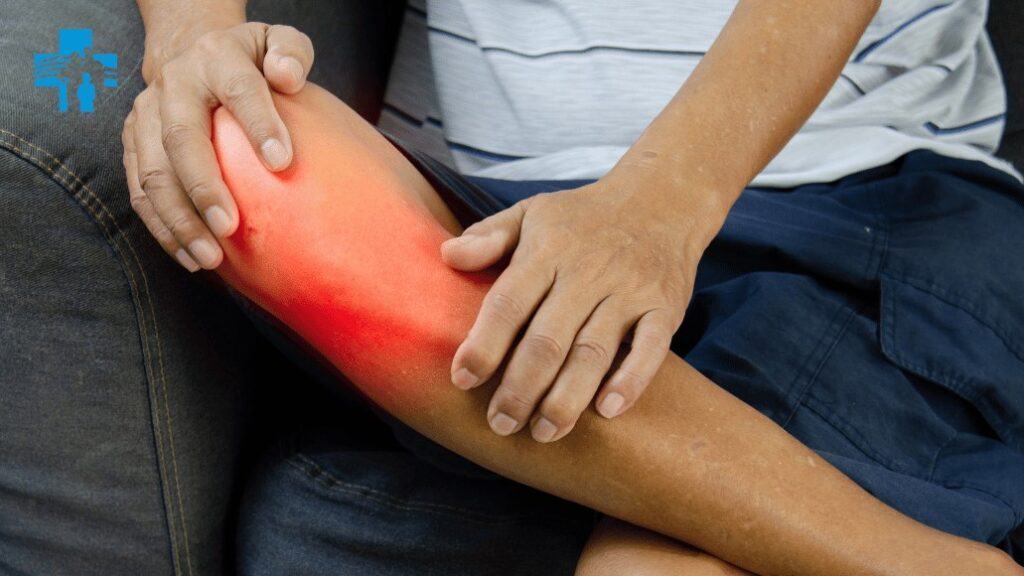
Knee pain is one of the most common orthopaedic complaints affecting people across all age groups. From young adults with sports injuries to older individuals suffering from arthritis, knee pain can significantly restrict mobility and reduce quality of life. If you are searching for reliable and advanced knee pain treatment in Delhi, consulting an experienced orthopaedic specialist is the most important step toward long-term relief.
At KneeJointReplacement, patients receive comprehensive knee care under the expert guidance of Dr. Ashish Jain, a highly experienced orthopaedic surgeon with more than 18 years of expertise in treating knee pain using both non-surgical and surgical methods. His patient-centric approach ensures accurate diagnosis, personalized treatment planning, and evidence-based care for lasting results.

Understanding Knee Pain and Its Causes
Knee pain can develop gradually or suddenly, depending on the underlying cause. Identifying the exact reason is essential for effective treatment. Some of the most common causes of knee pain include:
- Osteoarthritis: Degeneration of knee cartilage due to aging or wear and tear
- Rheumatoid Arthritis: Autoimmune inflammation affecting the knee joint
- Ligament Injuries: ACL, PCL, or MCL tears caused by trauma or sports injuries
- Meniscus Tears: Cartilage damage from twisting or sudden movements
- Tendinitis and Bursitis: Inflammation of tendons or fluid-filled sacs around the knee
- Post-Traumatic Arthritis: Pain developing after fractures or previous knee injuries
- Obesity and Overuse: Excess pressure on knee joints leading to degeneration
Comprehensive Diagnosis for Knee Pain Treatment in Delhi
At KneeJointReplacement, knee pain treatment begins with a detailed diagnostic process. Dr. Ashish Jain focuses on identifying the root cause rather than just managing symptoms.
Diagnostic evaluation may include:
- Detailed physical examination
- Digital X-rays to assess joint space and bone alignment
- MRI scans for ligament, cartilage, and soft tissue evaluation
- Blood tests for inflammatory or autoimmune conditions
- Gait analysis and functional movement assessment
This thorough evaluation allows for an accurate diagnosis and helps determine whether non-surgical management or surgical intervention is the most suitable option.
Non-Surgical Knee Pain Treatment in Delhi
For early-stage knee problems and mild to moderate pain, non-surgical treatment options are often highly effective. Dr. Ashish Jain emphasizes conservative management whenever possible to relieve pain and improve joint function.
1. Medication Management
Anti-inflammatory medications and pain relievers are prescribed to reduce swelling and discomfort while allowing better mobility.
2. Physiotherapy and Rehabilitation
Customized physiotherapy programs focus on:
- Strengthening muscles around the knee
- Improving flexibility and joint stability
- Correcting posture and movement patterns
- Reducing stiffness and improving range of motion
3. Injection-Based Treatments
- Corticosteroid injections for inflammation control
- Viscosupplementation (hyaluronic acid) to improve joint lubrication and reduce friction
4. Lifestyle Modifications
Weight management, activity modification, and ergonomic advice play a crucial role in long-term knee health.
5. Braces and Supportive Devices
Knee braces and orthotics provide additional stability and reduce strain on the joint during daily activities.
When is Surgical Knee Pain Treatment Required?
If knee pain persists despite conservative treatment or if joint damage is advanced, surgical intervention may be recommended. Dr. Ashish Jain carefully evaluates each case before advising surgery.
Surgery may be required if:
- Pain severely limits daily activities
- Walking, standing, or climbing stairs becomes difficult
- There is significant cartilage loss or joint deformity
- Knee pain affects sleep and mental well-being
- Non-surgical treatments fail to provide lasting relief
Advanced Surgical Knee Pain Treatment Options in Delhi
1. Arthroscopic Knee Surgery
Minimally invasive procedure used to treat ligament tears, meniscus injuries, and cartilage damage. It involves small incisions, minimal pain, and quick recovery.
2. Partial Knee Replacement
Recommended when damage is limited to a specific compartment of the knee. This procedure preserves healthy bone and allows faster rehabilitation.
3. Total Knee Replacement
For severe arthritis or extensive joint damage, total knee replacement offers long-term pain relief and restored mobility.
4. Robotic-Assisted Knee Replacement
Advanced robotic technology improves implant alignment, surgical precision, and functional outcomes, leading to faster recovery and improved joint movement.
These surgical options are performed using modern infrastructure and evidence-based protocols at KneeJointReplacement, ensuring patient safety and optimal outcomes.
Why Choose Dr. Ashish Jain for Knee Pain Treatment in Delhi?
Choosing the right orthopaedic specialist directly impacts the success of knee pain treatment. Dr. Ashish Jain is widely trusted for his expertise, ethical approach, and consistent clinical outcomes.
Key Reasons Patients Trust Dr. Ashish Jain
- 18+ years of experience in orthopaedic and knee surgeries
- Expertise in both non-surgical and surgical knee pain management
- Special focus on minimally invasive and robotic techniques
- Personalized treatment plans based on patient condition and lifestyle
- High success rates with long-term pain relief
- Comprehensive pre- and post-treatment care
Post-Treatment Rehabilitation and Recovery
Recovery is a vital component of knee pain treatment. Whether managed conservatively or surgically, rehabilitation ensures sustained improvement.
Post-treatment care includes:
- Supervised physiotherapy programs
- Muscle strengthening and balance training
- Pain management protocols
- Regular follow-up consultations
- Lifestyle and activity guidance
Most patients experience significant improvement in mobility, strength, and quality of life when rehabilitation is followed diligently.
Benefits of Early Knee Pain Treatment
Timely treatment offers several long-term advantages:
- Prevention of further joint damage
- Reduced dependency on pain medications
- Improved mobility and confidence
- Better surgical outcomes if surgery becomes necessary
- Enhanced quality of life
Ignoring knee pain can lead to progressive degeneration and complex surgical requirements in the future.
Conclusion
If knee pain is affecting your daily routine, comfort, or independence, seeking professional care is essential. Dr. Ashish Jain, with his extensive experience and patient-focused approach, offers comprehensive non-surgical and surgical knee pain treatment in Delhi through advanced diagnostics, modern treatment methods, and structured rehabilitation.
At KneeJointReplacement, patients receive evidence-based care designed to relieve pain, restore movement, and improve overall joint health. Whether your condition requires conservative therapy or advanced surgical intervention, expert guidance ensures the best possible outcome.
Take the first step toward a pain-free life by consulting an experienced knee specialist today.
FAQs
1. What is the best treatment for knee pain in Delhi?
Ans. The best treatment depends on the cause of knee pain. Options range from physiotherapy and medications to advanced surgical procedures like knee replacement.
2. When should I consult a doctor for knee pain?
Ans. If knee pain lasts more than a few weeks, worsens over time, or limits daily activities, you should consult an orthopaedic specialist.
3. Can knee pain be treated without surgery?
Ans. Yes. Many cases respond well to non-surgical treatments such as physiotherapy, injections, and lifestyle modifications.
4. Is knee replacement the only solution for chronic knee pain?
Ans. No. Knee replacement is recommended only when conservative treatments fail and joint damage is severe.
5. Who is the best doctor for knee pain treatment in Delhi?
Ans. Dr. Ashish Jain is widely recognized for his expertise in both non-surgical and surgical knee pain treatment with a patient-centric approach.