
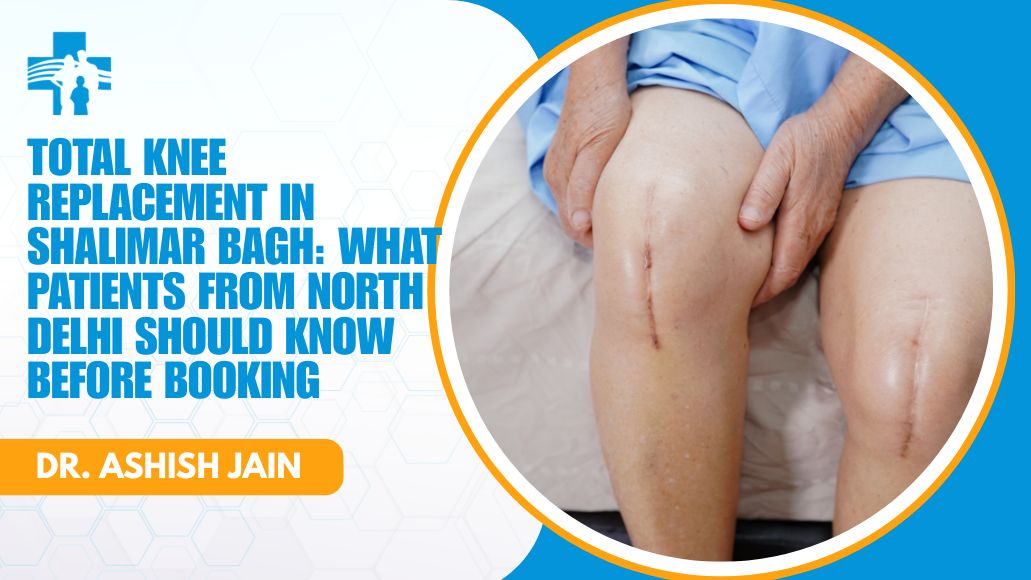
Overview
For patients in North Delhi considering knee replacement surgery, the options are spread across the city. Some of the best joint replacement surgeons in Delhi practice in South Delhi or Central Delhi, which means significant travel at a time when mobility is already limited and the stress of managing a surgical procedure is already high.
Max Super Speciality Hospital in Shalimar Bagh brings that level of surgical expertise to North Delhi. Dr Ashish Jain, one of Delhi’s most experienced knee joint replacement surgeons with 18 years of specialist experience, practices here alongside a full tertiary care infrastructure designed for complex joint surgery.
This is what patients from North Delhi and surrounding areas should understand before making a decision about where to have their surgery done.
Why Does Location Actually Matter for Knee Replacement?
It matters more than most people initially think, and for reasons beyond convenience.
Pre-operative appointments, imaging, anaesthesia consultations, and administrative requirements mean multiple visits before surgery happens. Post-operatively, physiotherapy begins almost immediately and continues for months. The follow-up appointments are not optional. They are part of what determines the outcome.
A hospital that is far from home creates friction at every stage of this process. For elderly patients in particular, or those with significant mobility limitations, the practical burden of distance adds up. Having a surgeon and facility of this calibre in Shalimar Bagh means patients from Rohini, Pitampura, Ashok Vihar, Rani Bagh, and surrounding North Delhi areas can access world-class joint replacement care without the travel that other options require.
Dr Ashish Jain also practices at Max PPA Pitampura for patients who are closer to that location.
What Is Total Knee Replacement and When Is It the Right Decision?
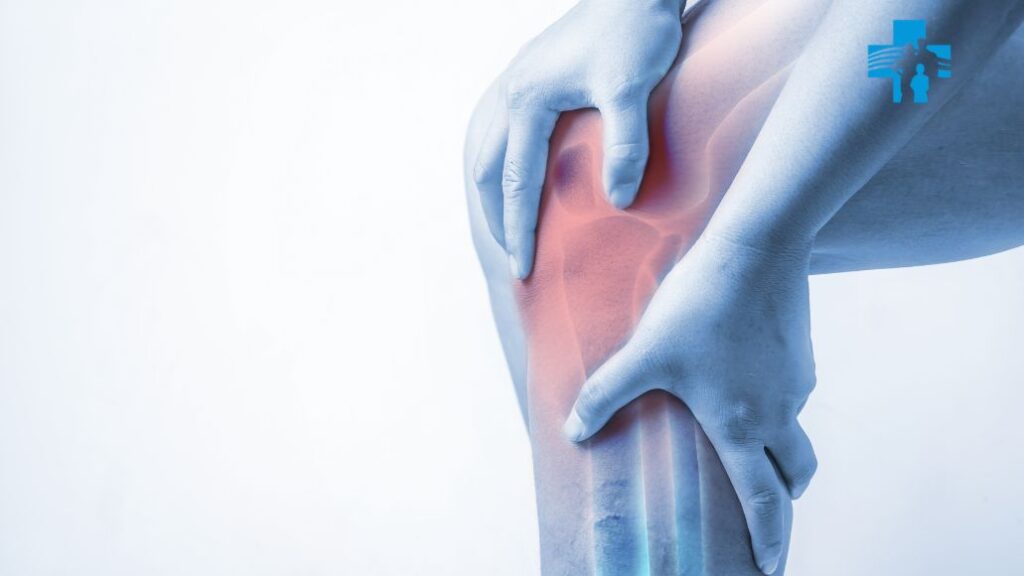
Total knee replacement replaces the damaged surfaces of all three compartments of the knee joint with metal and plastic components. It is the most appropriate option when cartilage loss is widespread across the joint, bone-on-bone contact is present, and symptoms have not responded to conservative management. You can review knee replacement surgery costs in Delhi before your consultation.
The decision to proceed with total knee replacement should follow a thorough assessment that includes:
• Clinical examination of the knee and lower limb alignment
• Weight-bearing X-rays to assess joint space loss and deformity
• Review of what conservative treatments have been tried
• Honest discussion of the risks, recovery timeline, and realistic functional outcomes
At Dr Ashish Jain’s practice, this assessment happens properly before any surgical recommendation is made. Patients who come in having been told elsewhere that they need surgery are reassessed fresh rather than simply processed into a surgical queue.
What Does Total Knee Replacement at Max Shalimar Bagh Actually Involve?
The procedure itself takes between 1.5 and 2.5 hours under spinal or general anaesthesia. The damaged bone and cartilage surfaces are removed and replaced with precisely fitted metal components on the femur and tibia, with a plastic spacer between them. The patella may also be resurfaced depending on its condition.
At Max Super Speciality Hospital, Shalimar Bagh, the infrastructure supporting this procedure includes state-of-the-art diagnostics, internationally accepted surgical protocols, dedicated orthopaedic operation theatres, and a complete rehabilitation programme.
Dr Ashish Jain is a pioneer in minimally invasive joint replacement techniques. Smaller incisions, less muscle disruption, and a more controlled surgical approach mean reduced blood loss, less post-operative pain, and faster early mobilisation compared to the conventional open technique.
What Does Recovery Look Like for North Delhi Patients?
Recovery begins the day of surgery. Physiotherapy starts within 24 hours of the procedure. This is not optional. Early mobilisation is one of the most important factors in recovery outcome.
Key milestones most patients experience:
• Walking with support within 24 to 48 hours of surgery
• Discharge from hospital typically 3 to 5 days after surgery
• Return to light daily activities within 6 to 8 weeks
• Driving typically resumes at 6 to 8 weeks, depending on which knee was operated on
• Full functional recovery and maximum benefit from surgery at 3 to 6 months
The physiotherapy and rehabilitation programme at Max Shalimar Bagh is a structured component of care rather than an afterthought. Patients who follow it consistently achieve significantly better outcomes than those who do not.
For North Delhi patients returning home after discharge, physiotherapy can continue locally with guidance from the team. Follow-up appointments at Max Shalimar Bagh or Max PPA Pitampura are scheduled at regular intervals to monitor healing and progress.
What About Unicompartmental Knee Replacement?
Not every patient who needs surgery needs a total replacement. When damage is confined to one compartment of the knee, unicompartmental knee arthroplasty replaces only the affected area, preserving healthy bone and tissue in the rest of the joint.
Recovery from unicompartmental replacement is typically faster, and the result often feels more natural because more of the original joint structure is retained. It is not appropriate for everyone, but for suitable candidates it produces excellent outcomes.
Dr Ashish Jain assesses each patient for both total and partial replacement options before recommending a specific approach.
Conclusion
Total knee replacement in Shalimar Bagh with Dr Ashish Jain at Max Super Speciality Hospital brings specialist joint replacement expertise to North Delhi without the travel burden of seeking the same quality of care elsewhere in the city. For patients in Rohini, Pitampura, Ashok Vihar, and surrounding areas, it is worth knowing that this option exists before assuming the best care requires going to a distant part of Delhi. You may also find our guides on advanced knee replacement in North Delhi and robotic knee replacement in Delhi useful reading before your appointment.
Frequently Asked Questions
Q. How do I book a consultation with Dr Ashish Jain at Max Shalimar Bagh?
You can book through the website at kneejointreplacement.in or contact the team directly. Dr Ashish Jain also practices at Max PPA Pitampura for patients closer to that location.
Q. Is total knee replacement covered by insurance at Max Shalimar Bagh?
Max Super Speciality Hospital accepts most major health insurance providers. Coverage for knee replacement varies by policy. It is worth confirming with your insurer and the hospital administration before your consultation.
Q. What is the difference between total and partial knee replacement?
Total knee replacement addresses damage across all three compartments of the joint. Partial or unicompartmental replacement addresses only the damaged compartment. Which is appropriate depends on the extent and location of damage confirmed on imaging and clinical assessment.
Q. How long will I be in the hospital after total knee replacement at Max Shalimar Bagh?
Most patients are discharged 3 to 5 days after surgery. Discharge timing depends on how mobility and pain are progressing and whether any issues arise during the initial recovery period.