
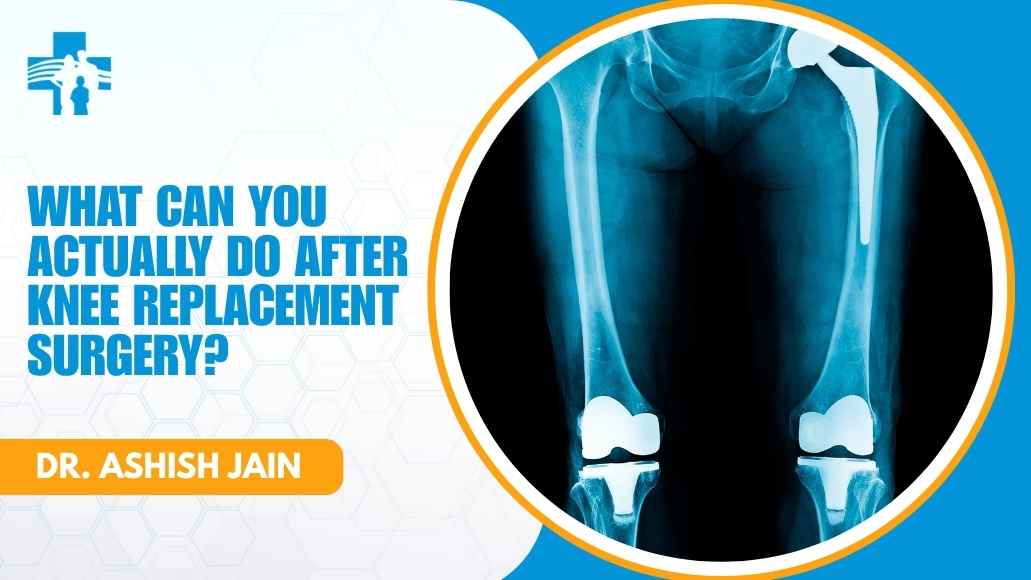
Overview
The question patients actually want answered isn’t just “will the surgery work,” it’s “will I be able to do the things I actually do every day.” Can you still kneel down to garden? Climb stairs without thinking about it? Sit cross-legged? These specific, practical questions matter more day to day than the general success statistics most information focuses on. Understanding Activities After Knee Replacement in specific, practical terms makes the whole decision feel far more concrete.
Dr. Ashish Jain’s team at Max Super Specialty Hospital, Shalimar Bagh, addresses these exact everyday questions directly during consultations, rather than leaving patients to guess based on general recovery statistics.
What Most Patients Can Actually Do After Recovery
Common activities and realistic expectations:
● Walking, climbing stairs, and standing for extended periods generally become comfortable again
● Driving is typically possible once strength and reaction time have sufficiently recovered
● Low-impact exercise like swimming and cycling is often encouraged for long-term joint health
● High-impact activities like running or contact sports are generally discouraged long-term
Most everyday activities return to normal or near-normal, while a smaller set of high-impact activities need to be reconsidered permanently.
Meet Dr. Ashish Jain – Guiding Patients Back to Daily Activities
Patients want a surgeon who addresses specific, practical questions about their actual lifestyle, not just general recovery statistics.
Professional Highlights:
● 18 years of experience in knee joint replacement surgery
● Pioneer in minimally invasive joint replacement techniques in India
● MBBS from Kasturba Medical College, Manipal
● Structured physiotherapy support to guide return to activity safely
Patients can ask specific questions about their own lifestyle and activity goals directly via WhatsApp.
Common Activity Questions Patients Actually Ask
1. Can I Kneel Down After Knee Replacement?
Kneeling is possible for many patients, though it can feel uncomfortable and isn’t recommended for everyone depending on the implant type.
2. Can I Sit Cross-Legged or on the Floor?
This depends significantly on individual flexibility and implant type, and is worth discussing directly during recovery follow-up.
3. Can I Drive Again?
Most patients can resume driving once they have sufficient strength and reaction time, typically several weeks after surgery.
4. Can I Exercise or Play Sports?
Low-impact exercise is generally encouraged, while high-impact activities are usually discouraged to protect the implant long-term.
Why Choose Dr. Ashish Jain for Activity-Specific Recovery Guidance
Key advantages:
● Direct, specific answers to your actual lifestyle and activity questions
● Structured physiotherapy support to guide safe return to activity
● 18 years of experience helping patients return to meaningful daily function
● Honest guidance on which activities need permanent modification
Getting specific answers about your own actual lifestyle, not generic statistics, is what actually helps patients decide whether to move forward with surgery.
Signs You’re Ready to Resume Specific Activities
Generally ready to progress when:
● Pain and swelling have significantly reduced during recovery
● Range of motion has returned to a functional level for the activity in question
● Your physiotherapist confirms strength is adequate for the specific activity
● You’ve been cleared during a follow-up visit to progress activity levels
Readiness to resume a specific activity is confirmed through actual physiotherapy progress, not just how much time has passed since surgery.
Step-by-Step Return to Daily Activities
1. Early Recovery Focus
Basic mobility and daily function are the priority in the first few weeks.
2. Physiotherapy Progression
Specific exercises build toward the activities that matter most to you personally.
3. Activity-Specific Discussion
Your surgeon and physiotherapist discuss which activities are realistic for your case.
4. Gradual Reintroduction
Activities are reintroduced gradually, starting with low-impact options.
5. Long-Term Activity Planning
A long-term plan is established for maintaining activity while protecting the implant.
Benefits of Understanding Activity-Specific Expectations
✔ Provides clarity on what daily life will genuinely look like after surgery
✔ Reduces anxiety by replacing vague statistics with specific answers
✔ Helps patients plan realistically around hobbies and lifestyle
✔ Supports safer, more confident return to meaningful activities
✔ Guides long-term implant protection through appropriate activity choices
Knowing specifically what you’ll be able to do again is often what actually motivates patients to move forward with a decision they’ve been putting off.
Long-Term Activity Guidance After Knee Replacement
What long-term guidance typically includes:
● Ongoing recommendations on which activities remain safe long-term
● Periodic follow-up to confirm the implant is functioning well under your activity level
● Adjustments to activity recommendations as strength and confidence grow
● Honest conversations about any activities that should remain permanently modified
Long-term success depends on genuinely understanding which activities support implant longevity and which ones put it at unnecessary risk.
Why Delhi Patients Trust This Guidance on Daily Activities
● 18 years of experience guiding patients back to real, meaningful daily function
● Direct, specific answers rather than generic recovery statistics
● Structured physiotherapy support throughout the process
● Direct WhatsApp access at wa.me/9599949945 for activity-specific questions
● Honest, practical guidance on long-term activity choices
Patients who get specific, honest answers about their actual daily life consistently feel more confident moving forward with knee replacement surgery.
Conclusion
The real question after knee replacement isn’t just whether the surgery works, it’s whether you’ll be able to kneel, drive, climb stairs, or exercise the way you want to again. Dr. Ashish Jain’s team addresses these specific, practical questions directly, rather than leaving patients to guess based on general statistics.
For questions about your specific activity goals, email DrAshishJRobotics@gmail.com or call +91-97170 35556. Follow patient recovery stories on Instagram and YouTube.
Book your consultation with Dr. Ashish Jain here.
FAQs
Can I kneel down after knee replacement surgery?
Many patients can kneel after recovery, though it may feel uncomfortable and isn’t universally recommended, depending on individual healing and implant type.
When can I drive again after knee replacement?
Most patients can resume driving once strength and reaction time have sufficiently recovered, typically several weeks after surgery, confirmed during follow-up.
Can I still exercise after knee replacement surgery?
Yes, low-impact exercise like swimming, cycling, and walking is generally encouraged, while high-impact activities like running are usually discouraged long-term.
Will I be able to sit cross-legged after knee replacement?
This depends on individual flexibility and implant type, and is best discussed directly with your surgeon during recovery follow-up.
How long until I can return to normal daily activities?
Most patients return to light daily activities within 6 to 12 weeks, with continued improvement in strength and function up to the 3 to 6 month mark.