
Overview
Choosing a robotic knee replacement surgeon in Delhi involves evaluating something most patients have no framework for assessing. The technology is impressive and the claims around it are consistent. But the device does not make the surgeon. The surgeon makes the device useful, or not, depending on how well they understand its capabilities, its limitations, and how to integrate it into sound surgical judgement.
A surgeon with a robotic system and limited knee replacement experience produces different results from a surgeon with deep knee replacement expertise who uses the robotic system as an additional precision tool. Understanding what to look for in a robotic knee replacement surgeon is what separates an informed choice from a default to whoever markets the technology most prominently.
Dr Ashish Jain performs computer-assisted knee replacement at Max Super Speciality Hospital, Shalimar Bagh, with 18 years of specific experience in joint replacement surgery and a track record as a mentor for other surgeons in advanced techniques.
What Training for Robotic Knee Replacement Actually Involves
Using a robotic assistance system in knee replacement is not like learning to drive a new car. It requires understanding the biomechanics of knee implant positioning at a level that allows the surgeon to evaluate, approve, or override the system’s guidance based on clinical judgement.
A surgeon who genuinely knows robotic knee replacement understands why specific alignment targets matter for specific patient anatomy. They can recognise when the standard planning parameters need adjustment for an individual case. And they can integrate intraoperative findings into the plan in real time rather than following a pre-surgical script, regardless of what is found when the joint is open.
This depth of understanding comes from high-volume experience in knee replacement combined with specific training in the robotic system. One without the other is insufficient.
What a Track Record Actually Looks Like
Track record is not just the number of years in practice or the number of procedures performed, though both matter. It is also:
Patient-reported outcomes. How patients describe their functional recovery, their pain levels, and their satisfaction with the result at one and two years after surgery reflects the actual quality of outcomes rather than just the technical execution of the procedure.
Complication rates. The rate of infections, revisions, and post-operative complications relative to the volume of procedures performed reflects both surgical skill and the quality of the perioperative care system around the surgeon.
Peer recognition. Dr Ashish Jain’s role as a mentor for other practicing surgeons in minimally invasive joint replacement techniques reflects recognition within the surgical community of his expertise. This kind of peer acknowledgment is a different signal from marketing claims.
Institutional affiliation. Operating at Max Super Speciality Hospital, Shalimar Bagh, a tertiary care centre with internationally accepted surgical protocols, reflects the standard of infrastructure supporting the surgical outcomes rather than just the individual surgeon’s skill in isolation.
Questions to Ask a Robotic Knee Replacement Surgeon in Delhi
Reviewing a surgeon’s full background and case history, such as the details available about Dr Ashish Jain, is a reasonable step before committing to robotic surgery.
How many computer-assisted or robotic knee replacements have you performed? There is no universally agreed threshold, but meaningful proficiency develops after several hundred cases. The learning curve for robotic-assisted surgery is real, and outcomes improve as the surgeon develops familiarity with the system.
Can you explain what the robotic system is doing during my specific procedure? A surgeon who can explain this clearly in terms of your individual anatomy and implant plan understands the technology at the level required to use it well. Vague answers about precision and technology suggest familiarity with the marketing rather than the clinical application.
What happens if the robotic guidance conflicts with your intraoperative clinical judgement? The robotic system guides. The surgeon decides. A good answer to this question reflects confidence in overriding the system when clinical findings warrant it rather than deference to the technology regardless of circumstances.
What are the specific advantages of robotic surgery for my case in particular? This is where a surgeon who is genuinely assessing your specific anatomy and clinical situation differs from one who recommends robotic surgery for everyone. Your case should have specific reasons why robotic precision adds meaningful value.
What Computer-Assisted Surgery at Dr Ashish Jain’s Practice Looks Like in Practice
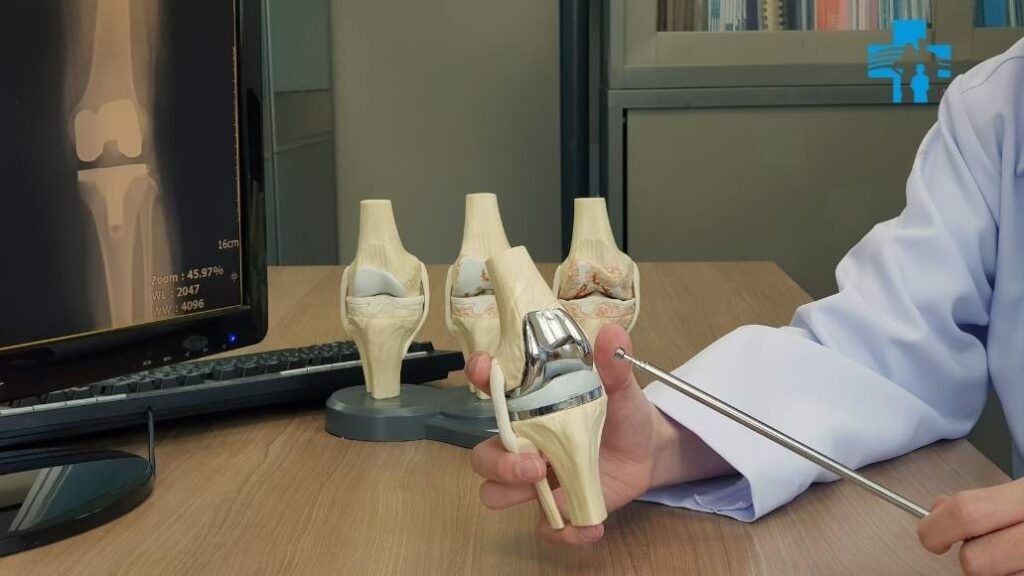
The pre-operative planning process at Max Shalimar Bagh begins with a detailed imaging review. Dr Ashish Jain plans the procedure around the individual patient’s anatomy before the surgical date, using the 3D model the system generates to map the bone cuts, implant position, and alignment targets specific to that knee.
During surgery, the navigation system provides real-time feedback that ensures the pre-operative plan is executed accurately. The system flags any movement outside the planned parameters, and Dr Ashish Jain adjusts based on both the system data and what he is seeing directly in the joint.
After surgery, the recovery benefits from the precision placement. The joint moves more naturally. Soft tissue balance is more consistent. And the foundation for the physiotherapy programme that follows is stronger because the implant is positioned to support optimal functional recovery.
Conclusion
The best robotic knee replacement surgeon in Delhi is not necessarily the one with the most prominent marketing around the technology. It is the one who combines high-volume specific expertise in knee replacement with genuine training in robotic-assisted technique and a track record of outcomes that reflect both. Asking the right questions in the consultation is what identifies this rather than making assumptions based on which facility has the most impressive equipment.
Frequently Asked Questions
Q. Is Dr Ashish Jain trained in robotic knee replacement surgery in Delhi?
Yes. Dr Ashish Jain performs computer-assisted knee replacement surgery at Max Super Speciality Hospital, Shalimar Bagh, and is internationally trained in advanced joint replacement techniques, including minimally invasive and computer-assisted approaches.
Q. What is the difference between computer-assisted and fully robotic knee replacement?
Computer-assisted surgery uses navigation to provide real-time alignment feedback and guidance during surgery. Fully robotic systems add a robotic arm with haptic feedback and boundary control. Both improve implant placement accuracy compared to the manual technique. Dr Ashish Jain uses computer-assisted technology at Max Shalimar Bagh.
Q. How do I book a consultation for robotic knee replacement with Dr Ashish Jain in Delhi?
Contact the clinic at +91-97170 35556 or fill out the appointment form at kneejointreplacement.in/contact-us. Consultations are available at Max Shalimar Bagh and Max PPA Pitampura.
Q. Does robotic knee replacement guarantee better outcomes than conventional surgery?
It produces measurably better implant alignment in studies. Better alignment is associated with more natural knee movement, reduced uneven wear, and longer implant survival. Whether this translates into a meaningful clinical difference for a specific patient depends on their age, anatomy, and clinical situation.
CTA