
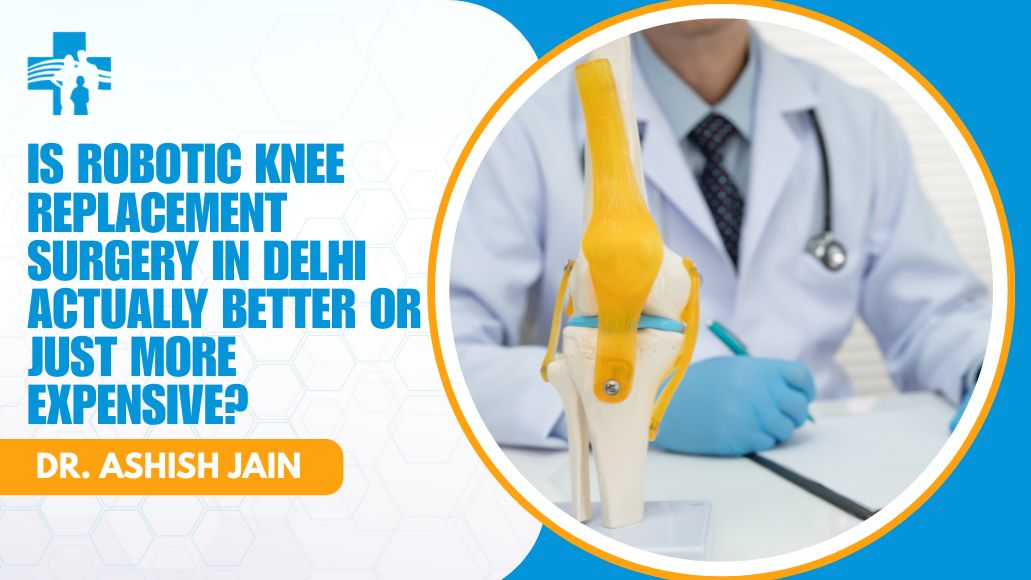
Overview
Robotic knee replacement gets marketed heavily. Hospitals that offer it lead with the technology. Patients researching their options see it everywhere, and most are left wondering whether the additional cost reflects a genuine clinical advantage or whether it is primarily a premium positioning exercise.
The question deserves a direct answer rather than promotional language about cutting-edge technology and precision surgery.
The honest answer is that robotic and computer-assisted knee replacement does produce measurably better outcomes in specific areas. But understanding why requires understanding what the technology actually does rather than just what the marketing says about it.
Dr Ashish Jain practices at Max Super Speciality Hospital, Shalimar Bagh, and is trained in both computer-assisted and advanced knee replacement techniques. Here is what the technology actually changes about the procedure and what it does not.
What Does Robotic or Computer-Assisted Surgery Actually Do?
The robot does not perform the surgery. The surgeon does. What computer-assisted and robotic systems provide is a layer of precision and real-time feedback that conventional manual techniques cannot match.
Before surgery, imaging data is used to create a detailed model of the patient’s specific knee anatomy. The surgeon plans the procedure using this model, mapping exactly how much bone needs to be removed and where the implant should be positioned for optimal alignment with that patient’s individual anatomy.
During surgery, the computer navigation system tracks the position of surgical instruments in real time and provides feedback on alignment. In robotic systems, the robotic arm provides physical resistance if instruments move outside the planned safe zone.
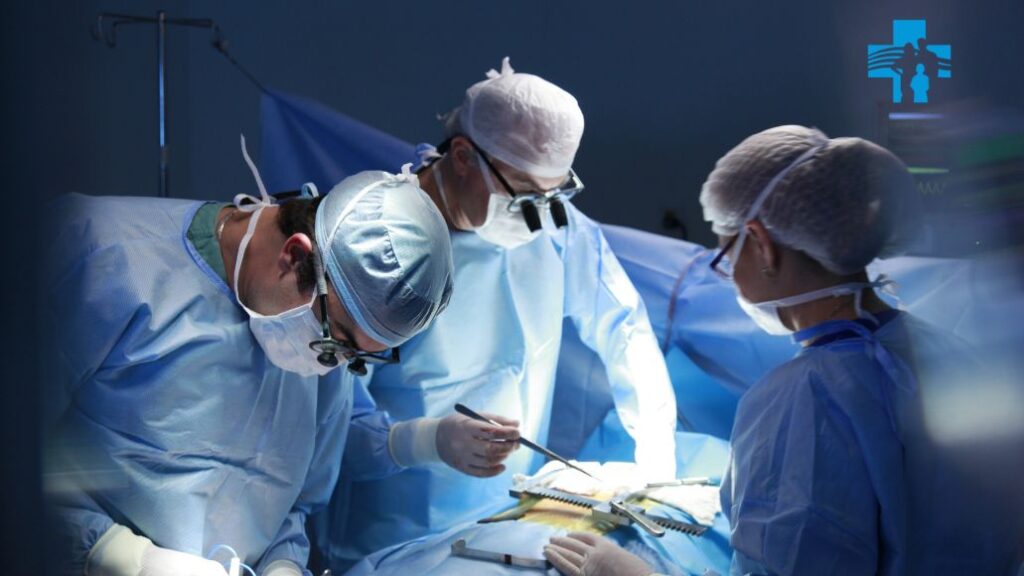
Where Does Technology Produce Better Outcomes?
Three areas where the evidence is clear and consistent.
Implant Alignment
The position and angle of the knee implant determine how naturally the knee moves after surgery and how evenly the load is distributed across the joint surfaces. Even small deviations from optimal alignment accumulate into problems over the years. Computer-assisted surgery reduces those deviations significantly compared to the conventional technique.
Bone Preservation
Precise pre-operative planning and guided cuts mean less healthy bone is removed than in conventional surgery. This matters particularly for younger patients who may need revision surgery decades later. More remaining bone makes revision surgery significantly more manageable.
Soft Tissue Protection
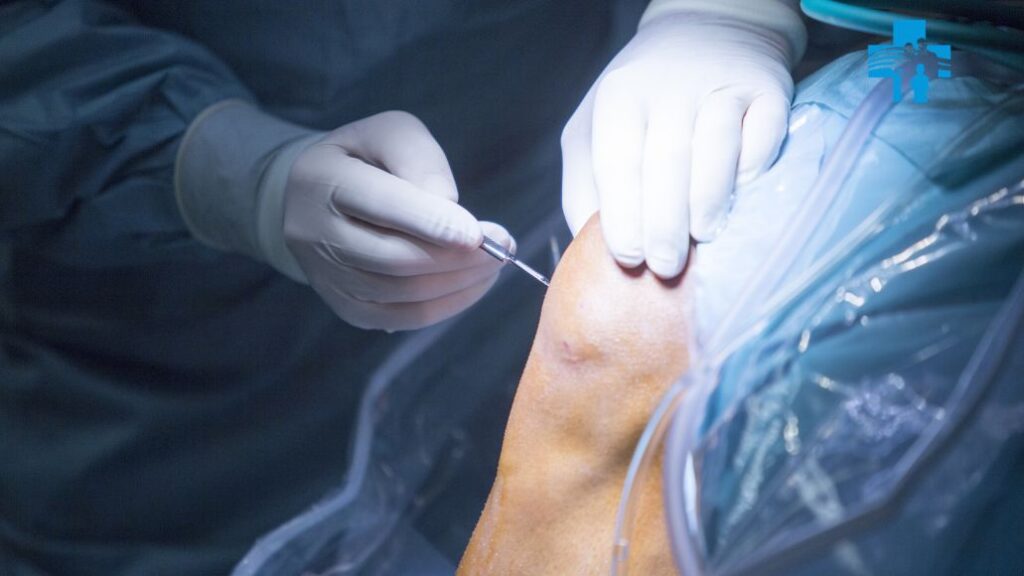
Guided technique reduces unintended damage to surrounding ligaments and soft tissue during surgery. Less tissue trauma translates into less post-operative swelling, less pain, and faster early recovery.
What Does It Not Change?
Computer-assisted surgery improves the precision of implant placement. It does not change the fundamental nature of the recovery process. Physiotherapy is still essential. The healing timeline is similar. The outcome still depends significantly on patient commitment to rehabilitation.
It also does not eliminate surgical risk entirely. Infection, blood clots, implant wear, and other complications remain possible with any knee replacement, regardless of the technique used. Computer assistance reduces certain sources of poor outcomes but does not remove all of them.
Is It Worth the Additional Cost?
For most patients, the answer is yes, and the reasoning is straightforward.
A knee implant is designed to last 20 to 25 years with normal activity. Better alignment from computer-assisted surgery reduces uneven wear and extends implant life. A revision surgery for a failed or misaligned implant is significantly more complex and costly than the original procedure. Avoiding that outcome once is worth considerably more than the cost difference between conventional and computer-assisted surgery.
For older patients where revision surgery is less of a concern, the benefit is less about longevity and more about functional outcome. Better-aligned implants produce more natural knee movement and higher patient satisfaction scores in studies.
You can read more about computer-assisted surgery at Dr Ashish Jain’s practice to understand how it is applied in his specific approach.
Who Benefits Most From Robotic or Computer-Assisted Knee Replacement?
While most patients benefit from the precision advantage, certain groups benefit most:
• Younger patients where implant longevity is a priority
• Patients with significant deformity or unusual anatomy where manual technique is more challenging
• Patients who want the most predictable functional outcome and fastest possible recovery
• Anyone for whom a revision surgery down the line would be particularly difficult
Dr Ashish Jain assesses each case and recommends the approach that genuinely fits the clinical picture rather than defaulting to the most advanced option for every patient.
Conclusion
Computer-assisted and robotic knee replacement is not just expensive marketing. The precision benefits are real, and they translate into better alignment, longer implant life, and improved functional outcomes for most patients. Whether it is the right choice for a specific individual depends on their age, anatomy, and clinical situation. That is exactly what a consultation with Dr Ashish Jain at Max Shalimar Bagh is designed to determine. For context on how to choose the right surgeon for this procedure, read our guide on what makes the best knee replacement surgeon in Delhi.
Frequently Asked Questions
Q. Is robotic knee replacement available at Max Shalimar Bagh in Delhi?
Dr Ashish Jain is trained in computer-assisted and advanced knee replacement techniques and practices at Max Super Speciality Hospital, Shalimar Bagh, which supports these procedures.
Q. How much more does computer-assisted knee replacement cost in Delhi?
The cost difference varies. It reflects the technology, pre-operative planning process, and specialist training involved. The long-term value in terms of implant longevity and reduced revision risk is worth factoring into that comparison.
Q. Is the recovery different after robotic knee replacement?
Recovery follows a similar overall timeline to conventional knee replacement. Many patients experience less early swelling and pain due to reduced soft tissue disruption. Physiotherapy remains essential regardless of technique.
Q. How do I know if I am a candidate for computer-assisted knee replacement?
A consultation with Dr Ashish Jain will determine this based on your specific anatomy, the severity of your knee condition, and what outcome you are aiming for.